Have you ever searched for a product online and then noticed similar products appearing everywhere? Whether it is a pair of shoes, a smartphone accessory, or a new skincare product, online platforms seem to know what shoppers might want next. This is the power of personalized product recommendations.
As e-commerce becomes more competitive, retailers are using customer data, artificial intelligence, and machine learning to create shopping experiences tailored to individual users. But how much do these recommendations actually influence what we buy?
What Are Personalized Recommendations?
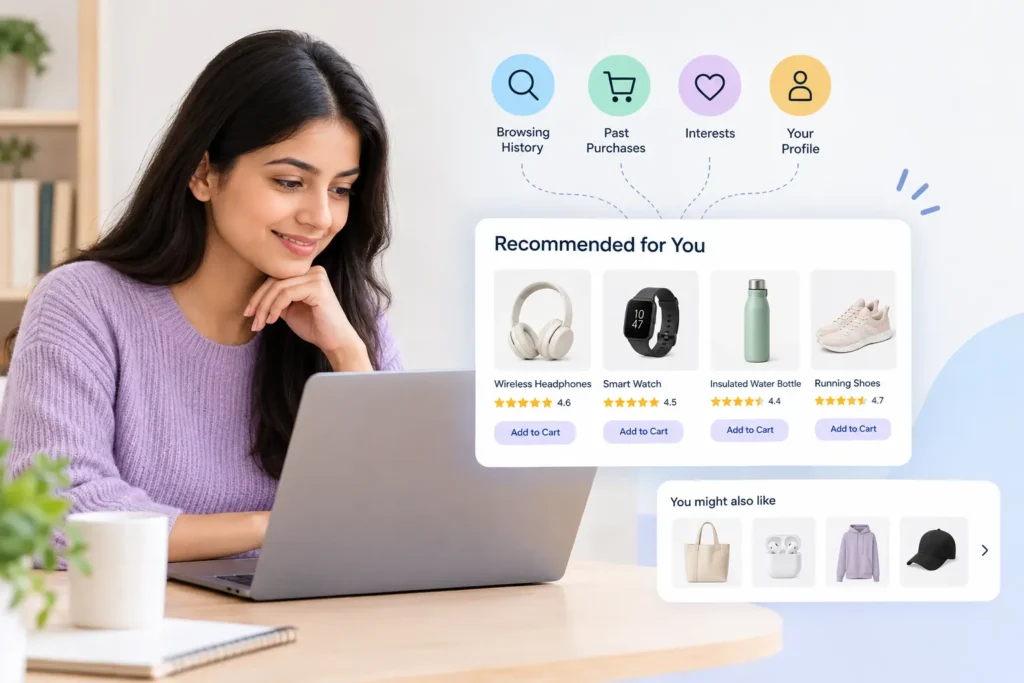
Personalized recommendations are product suggestions based on a shopper’s interests, browsing behavior, previous purchases, searches, and interactions with an online store.
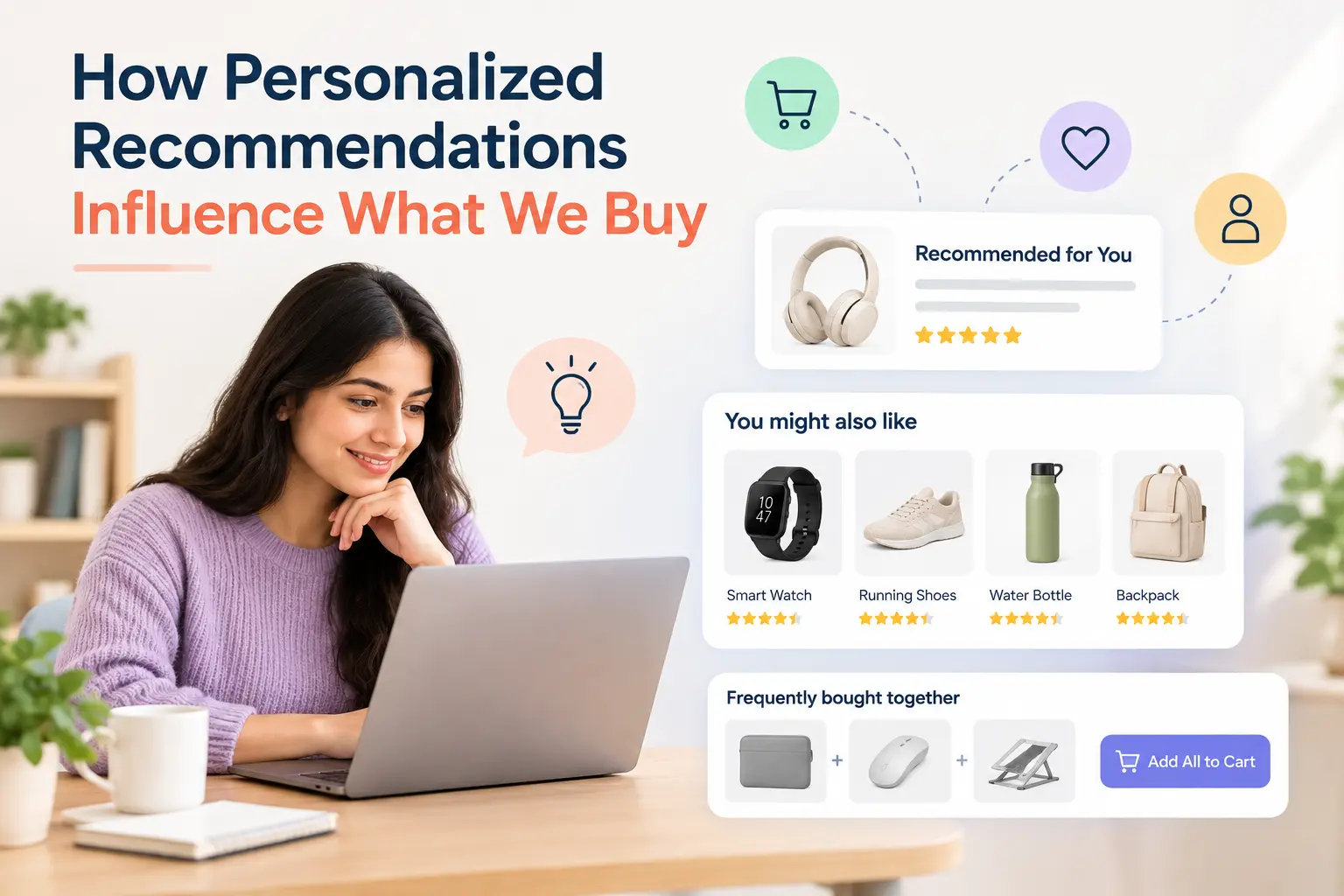
For example, if you frequently look at running shoes, an e-commerce website might recommend running socks, fitness watches, sports clothing, or other footwear. Instead of showing the same products to everyone, the platform attempts to display items that are more relevant to each shopper.
This makes the shopping experience feel more personal and convenient.
Why Do Recommendations Influence Our Decisions?
One major reason is choice overload. Online stores can offer thousands or even millions of products. Finding the right one can become overwhelming.
Personalized recommendations reduce that effort by narrowing down the options. When shoppers see products that match their interests, they may be more likely to click, compare, and eventually purchase them.
Recommendations can also introduce customers to products they may not have discovered on their own.
The Psychology Behind Product Suggestions
Personalization works partly because people naturally respond to relevant information.
Imagine searching for a laptop and immediately seeing accessories that are compatible with that specific model. Instead of spending time searching for a mouse, laptop stand, or protective case, the shopper receives suggestions that already appear useful.
Social proof can make these recommendations even more persuasive. Messages such as “Customers also bought,” “Frequently bought together,” or “Recommended for you” can create a sense that other shoppers have already validated the product.
AI Is Making Recommendations Smarter
Artificial intelligence is taking personalized shopping to another level. Modern recommendation systems can analyze large amounts of information and identify patterns that would be difficult to recognize manually.
AI can consider factors such as what customers search for, which products they view, how long they spend on certain pages, and what they eventually purchase.
The system can then use these signals to predict what a shopper may be interested in next.
This technology is increasingly important for both large marketplaces and smaller online retailers looking to compete through better customer experiences.
Recommendations Can Increase Sales
For businesses, personalized recommendations are not just about convenience—they can directly support sales.
A customer visiting an online store with the intention of buying one product may discover complementary products through recommendations. For example, someone purchasing a camera might also be shown memory cards, tripods, camera bags, and lenses.
This can increase the average order value while making the shopping journey more useful.
Are Personalized Recommendations Always Helpful?
Not necessarily. Over-personalization can sometimes make shoppers uncomfortable, particularly when recommendations appear to reveal how much a platform knows about their online behavior.
Privacy and data protection are therefore becoming increasingly important. Consumers want relevant experiences, but they also want transparency and control over how their information is used.
Businesses that provide clear privacy policies and meaningful choices can build greater trust with customers.
The Future of Personalized Shopping
Personalized recommendations are becoming a fundamental part of modern e-commerce. As AI technology improves, recommendations will likely become more accurate, contextual, and useful.
The future of online shopping may involve fewer generic product pages and more experiences designed around individual customers.
Ultimately, personalization works because it connects the right product with the right shopper at the right moment. When done responsibly, it can save consumers time, reduce decision fatigue, and help them discover products they genuinely need or want.
For retailers, the message is equally clear: understanding customers is no longer simply an advantage—it is becoming an essential part of successful online shopping.