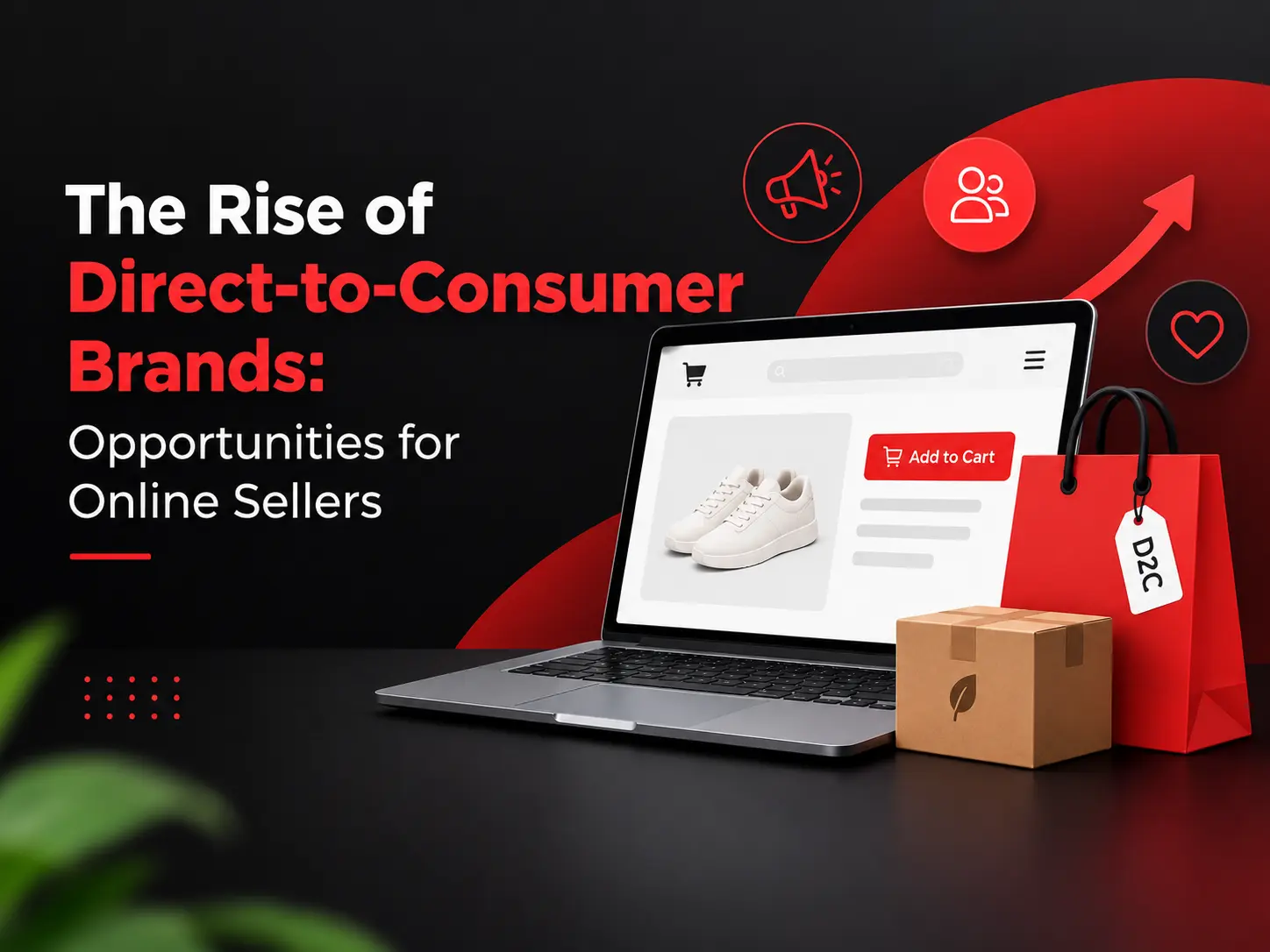
The e-commerce industry is changing how businesses sell products and connect with customers. One of the most important developments is the growth of Direct-to-Consumer (D2C) brands. Instead of relying entirely on wholesalers, distributors, or traditional retailers, businesses can now sell directly to customers through their own websites and online channels.
This approach gives brands greater control over their customer relationships, marketing strategies, and shopping experiences. It also creates opportunities for entrepreneurs who want to launch an online business without building a traditional retail network.
But what makes D2C brands attractive, and how can online sellers take advantage of this growing business model?
What Is a Direct-to-Consumer Brand?
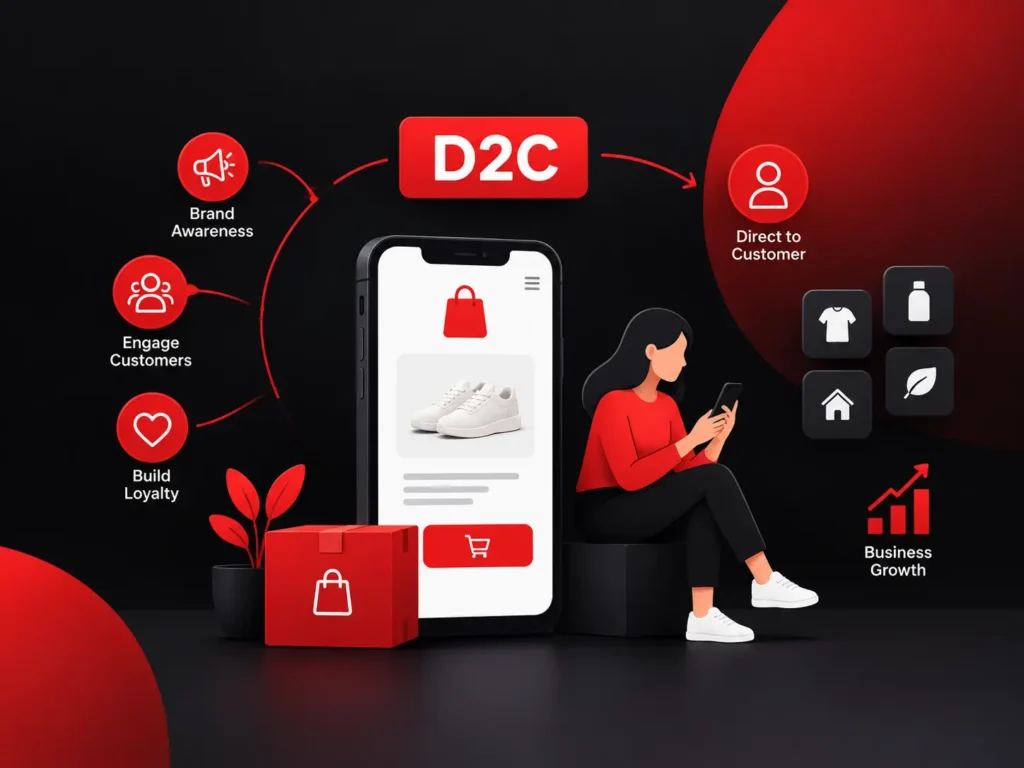
A Direct-to-Consumer brand sells products directly to end customers without relying on traditional retail intermediaries. Customers can purchase products through a brand’s website, mobile app, social media storefront, or other direct sales channels.
For example, a skincare company might sell products through its own online store instead of depending exclusively on beauty retailers. Similarly, a clothing brand could promote its collections on social media and accept orders through its website.
Popular D2C categories include fashion, beauty, personal care, home accessories, wellness products, and specialty foods.
The main idea is simple: the brand owns more of the relationship with the customer, from product discovery to post-purchase communication.
Why Are D2C Brands Becoming More Popular?
Several factors are contributing to the growth of the D2C business model.
1. Easier Access to E-commerce Platforms
Entrepreneurs no longer need to build complicated online stores from scratch. E-commerce platforms provide tools for product listings, payments, inventory management, and order processing.
This makes it easier for small businesses to establish an online presence and test new product ideas without investing in physical retail locations.
2. Social Media and Digital Marketing
Platforms such as Instagram, YouTube, and other social networks help brands showcase products, share customer experiences, and build communities.
A small business can reach a specific audience through useful content, influencer partnerships, and targeted advertising. However, success depends on choosing the right audience and managing marketing costs effectively.
3. Direct Customer Relationships
Traditional distribution models can limit how much a manufacturer knows about individual customers.
D2C businesses can learn from customer feedback, purchase histories, and product preferences, subject to applicable privacy requirements. These insights can help brands improve their products, personalize communication, and develop stronger customer relationships.
4. Demand for Specialized Products
Many shoppers look for products that match their individual preferences, lifestyles, and values.
This creates opportunities for smaller brands that specialize in particular niches, such as minimalist clothing, sustainable home products, personalized gifts, or skincare designed for specific needs.
A focused product range can help a new brand stand out in a crowded market.
Major Opportunities for Online Sellers
The D2C model offers several practical opportunities for entrepreneurs and existing e-commerce businesses.
Build a Niche Brand
Instead of competing with large retailers across multiple categories, sellers can focus on a specific audience.
For example, an entrepreneur might build a brand around travel accessories, ergonomic desk products, or everyday essentials for pet owners.
A clearly defined niche makes it easier to understand customer needs and develop relevant products and marketing messages.
Improve Profitability Through Better Control
Selling directly can reduce dependence on certain intermediaries and give businesses more control over pricing, product presentation, and promotions.
However, direct selling does not automatically guarantee higher profits. Sellers must account for advertising, shipping, packaging, payment processing, returns, customer support, and inventory costs.
Understanding the full cost of each order is essential before expanding.
Encourage Repeat Purchases
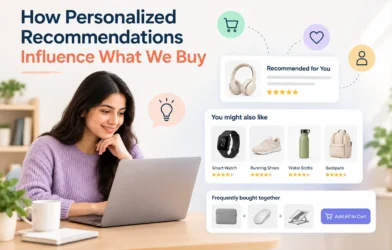
D2C brands can use email marketing, loyalty programs, subscriptions, and personalized product recommendations to encourage repeat purchases.
For example, a customer who regularly purchases coffee, skincare, or household essentials might appreciate timely reminders or a subscription option.
The goal is to provide genuine value rather than overwhelm customers with promotional messages.
Expand Beyond Local Markets
An online store can help a small brand reach customers across different cities and regions.
In India, sellers may explore opportunities beyond major metropolitan areas by offering convenient payment options, reliable delivery, clear product information, and responsive customer support.
Before expanding internationally, businesses should also evaluate shipping costs, taxes, regulations, and local customer preferences.
Challenges D2C Brands Need to Understand
Despite its advantages, the D2C model comes with challenges.
Customer acquisition costs: Advertising can become expensive, particularly when brands compete for the same audiences.
Strong competition: Launching an online store is relatively accessible, which means many businesses may sell similar products.
Logistics and returns: Delayed deliveries, damaged products, and costly returns can affect customer satisfaction and profitability.
Building trust: New brands need to demonstrate product quality, provide accurate descriptions, protect customer information, and deliver consistent service.
Successful D2C businesses address these challenges through careful planning, strong customer service, and continuous improvement.
How to Start a D2C Brand
If you want to explore this business model, start with a practical approach:
- Research your market: Identify customer needs, competing brands, and gaps in existing product offerings.
- Choose a focused product: Start with a manageable range instead of launching too many products at once.
- Calculate your costs: Include manufacturing, packaging, shipping, marketing, platform fees, and expected returns.
- Build your online store: Create a professional shopping experience with clear product descriptions and secure checkout.
- Develop a marketing strategy: Combine useful content, search engine optimization, social media, and carefully measured advertising.
- Track performance: Monitor conversion rates, customer acquisition costs, average order value, repeat purchases, and profit margins.
Testing your idea on a smaller scale can help you identify problems before investing heavily in inventory or advertising.
Final Thoughts
The rise of Direct-to-Consumer brands is creating new opportunities for online sellers who want to build recognizable brands and establish closer customer relationships.
With accessible e-commerce platforms, digital marketing channels, and growing interest in specialized products, entrepreneurs can explore business models that were once more difficult to launch.
However, long-term success requires more than opening an online store. Sellers need a clear value proposition, reliable operations, realistic financial planning, and a strong understanding of their customers.
For aspiring entrepreneurs, the biggest opportunity is to solve a specific customer problem and build a brand that consistently delivers value.